DIGITAL TRANSITION TECHNOLOGIES
When thinking of an archive, people often imagine a dusty, inaccessible place that is difficult to understand for non-experts. However, many archives contain highly valuable information that can be transformed into precious resources for companies. Unfortunately, this information is often hard to access and consult.
In an era where most people own a smartphone and have internet access, the lack of accessibility to these hidden contents contrasts sharply with public expectations. Our lives have changed significantly, with social media becoming an essential tool for corporate communication and the emerging Internet of Things (IoT) allowing us to connect to everything and everyone.
It is clear that this social and technological transformation offers many opportunities, such as online information, e-commerce portals, training, marketing strategies, and corporate communication, which increasingly dominate the digital world as primary tools.
Creating a "big data of the past" from company documents can enrich the universe of online content. However, the explosion of online content, while offering many opportunities, tends to overshadow the few historical resources. The web is dominated by content from the last 25–30 years, while the past emerges only through well-known and significant events that marked the beginning of the digital transformation.
To fill this gap, it is necessary to overcome the technological and organizational deficits of traditional historical archive digitization processes. Reorganizing workflows and adopting innovative technologies can bring significant change to the landscape of digitalization, particularly for corporate archives.
Technological innovation in digital transition processes represents a turning point. Today, tools and artificial intelligence algorithms are so advanced that applying this technology to the digitization of cultural and corporate historical archives, as well as cultural institutions, is indispensable.
Public History
The Public History portal is a digital platform designed to make the historical and cultural heritage of companies and cultural institutions accessible, sharing their stories with the public in an accessible, engaging, and interactive way.

Algorithms and AI
Behind every digitization project there is an invisible but powerful engine made up of algorithms and artificial intelligence. These technologies automate data processing, reduce working time, and improve the quality of results.

Digitization Scanners
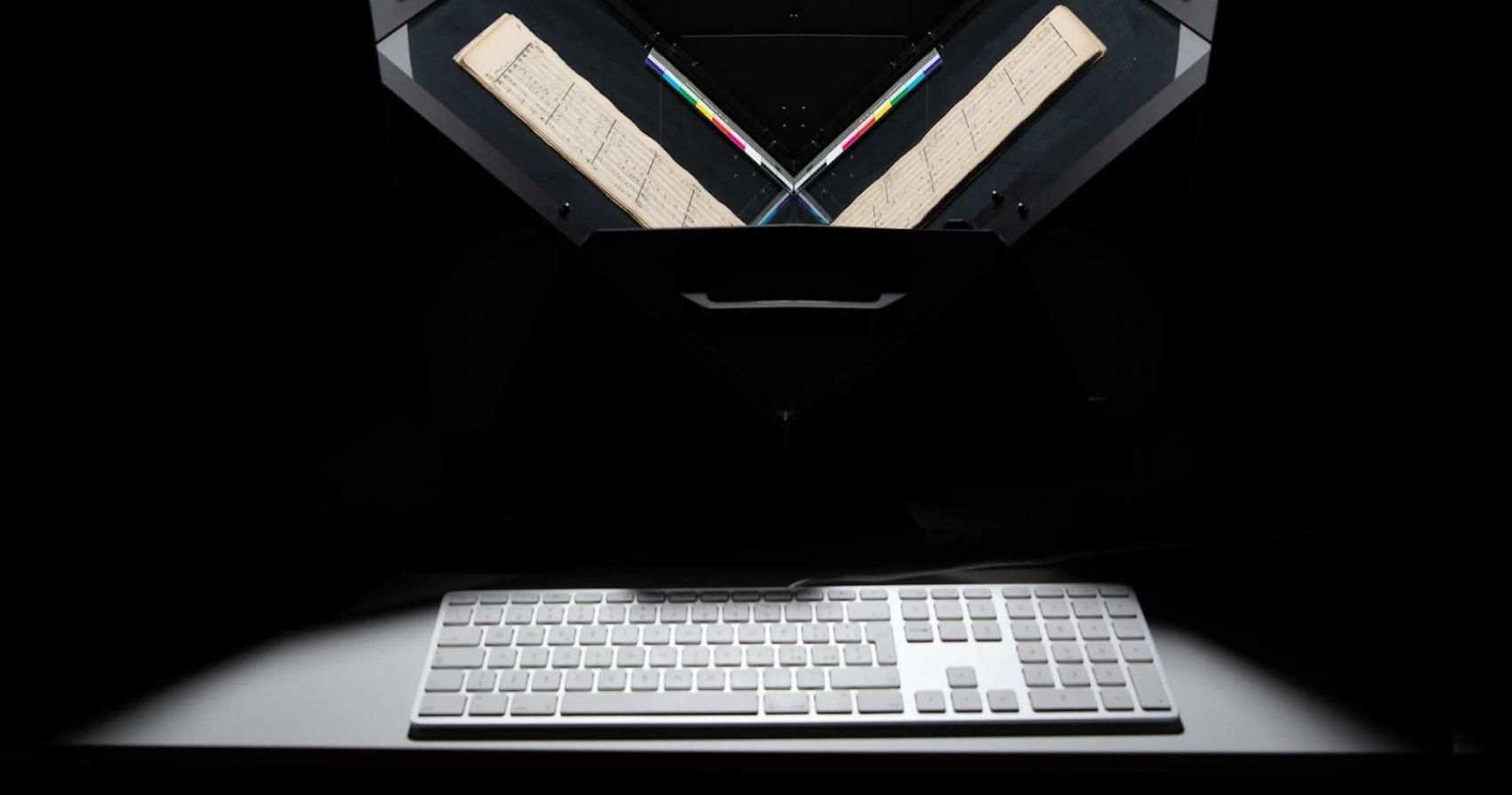
Transforming physical documents into digital content requires precise and innovative tools. Made In Heritage has developed two tailor-made solutions based on advanced technologies, sustainable processes, and high-fidelity results.
DIGITAL ACCESS TECHNOLOGIES
Corporate historical archives are valuable sources of information about the history of companies and industries. They contain documents, photographs, records, and other materials that tell the story of the organization, from its founding to the challenges and transformations it has faced over time. With the advent of digital technologies, these archives have become even more important and accessible, allowing documents to be digitized and providing online access to a wide range of users.
Digital access technologies for corporate historical archives have revolutionized how people access and use these sources. In the past, researchers had to physically visit archives and consult documents on site. Today, it is possible to access a wide range of information online, through digital archives and remotely accessible databases. This has opened new opportunities for research and information use, making it easier for scholars to consult sources and utilize data more effectively.
Online access to these sources enables deeper and more detailed research into the history of companies and industries, which in turn helps develop a better understanding of the past and present. Furthermore, digital preservation of corporate historical archives ensures that sources are safeguarded for future generations, preserving the historical memory of companies and industries over time.
Using digital access technologies for corporate historical archives also involves addressing challenges related to the principles underlying the functioning of digital libraries, as well as standards and tools for digital archival access such as IIIF, OPAC, and LOD.
Digital Library
A digital library opens the door to a universe of content — books, images, videos, and documents — always just a click away.
No shelves, no limits: explore everything, wherever you are.
IIIF
IIIF is the standard that transforms the way we explore images and digital works in ultra-high quality.
Zoom, compare, and navigate cultural heritage like never before — all directly online.

OPAC
OPAC is your digital access point to discover books, magazines, films, and much more in seconds.
Search, explore, and find exactly what you need with all the information at your fingertips.
Linked Open Data
Linked Open Data turn data into intelligent, open connections ready to interact with each other.
Discover richer, connected, and queryable information — the web of data, finally accessible.